15 MINS READ
Overview
My Role
Founder | Product Designer | Project Lead
Timeline & Status
2025 – Present
Currently competing in 2026 Tufts New Ventures Competition (semifinals)
Team
- Dev: James H., Donatello S., Brianna T., Emily Y., Johann Z., Teny M., Zoya A.
- Design: Nicol M., Alison Song.
- Marketing: Luna S., Amy M., Zack T., Jack Z.
- Other: Marius A.
Link
promo site: artrium.space
short pitch: YouTube
Overview
Artrium is a platform I started to help artists and creatives discover opportunities, connect with collaborators, and engage with a broader creative community. While studying both fine arts and computer science, I noticed how fragmented the creative ecosystem often feels—jobs, residencies, exhibitions, and events are scattered across many different platforms.
I created Artrium to bring these resources into a centralized, accessible space where artists can share work, find opportunities, and connect across disciplines. The platform aims to make creative networks more visible, supportive, and interconnected.
This project would not have been possible without the contributions of my teammates. Their collaboration made it possible to translate the vision of Artrium into scalable technical systems designed to support the creative community.
Highlights
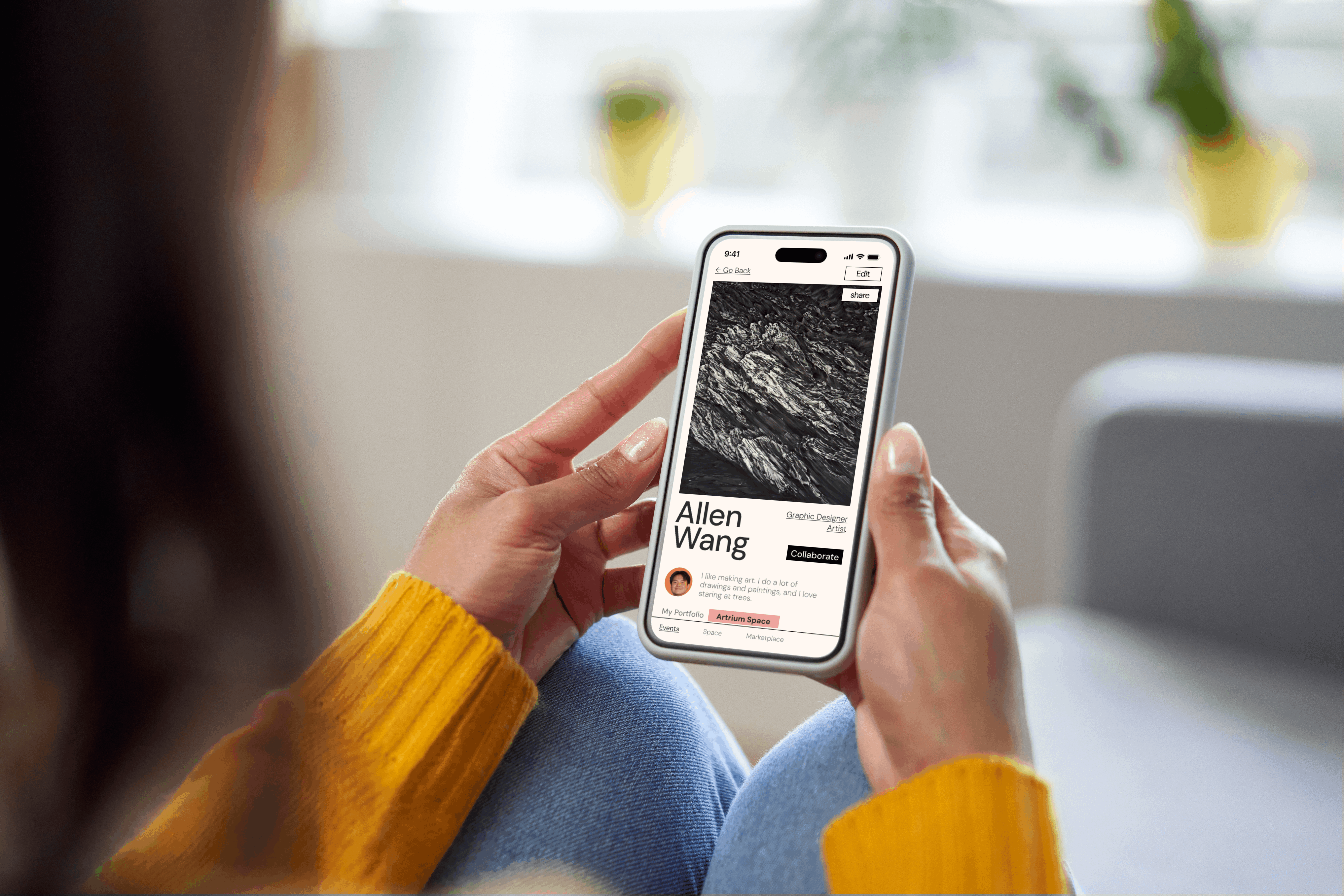
Contributed by Nicol M. (design), Alison S. (Graphics), Allen W. (dev)
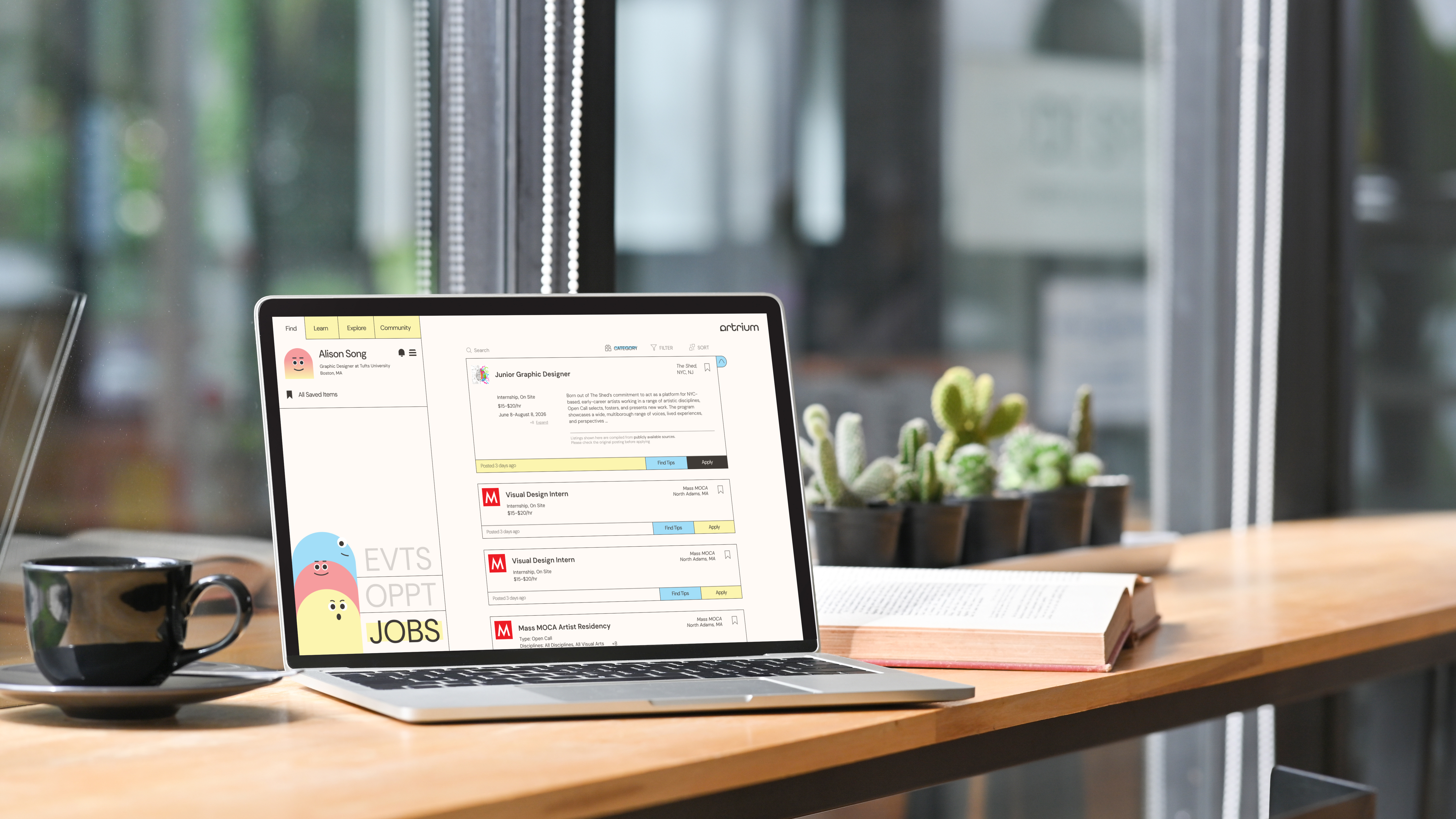
Contributed by Nicol M. (design), Alison S. (Graphics), Teny M. (dev), Allen W. (dev)
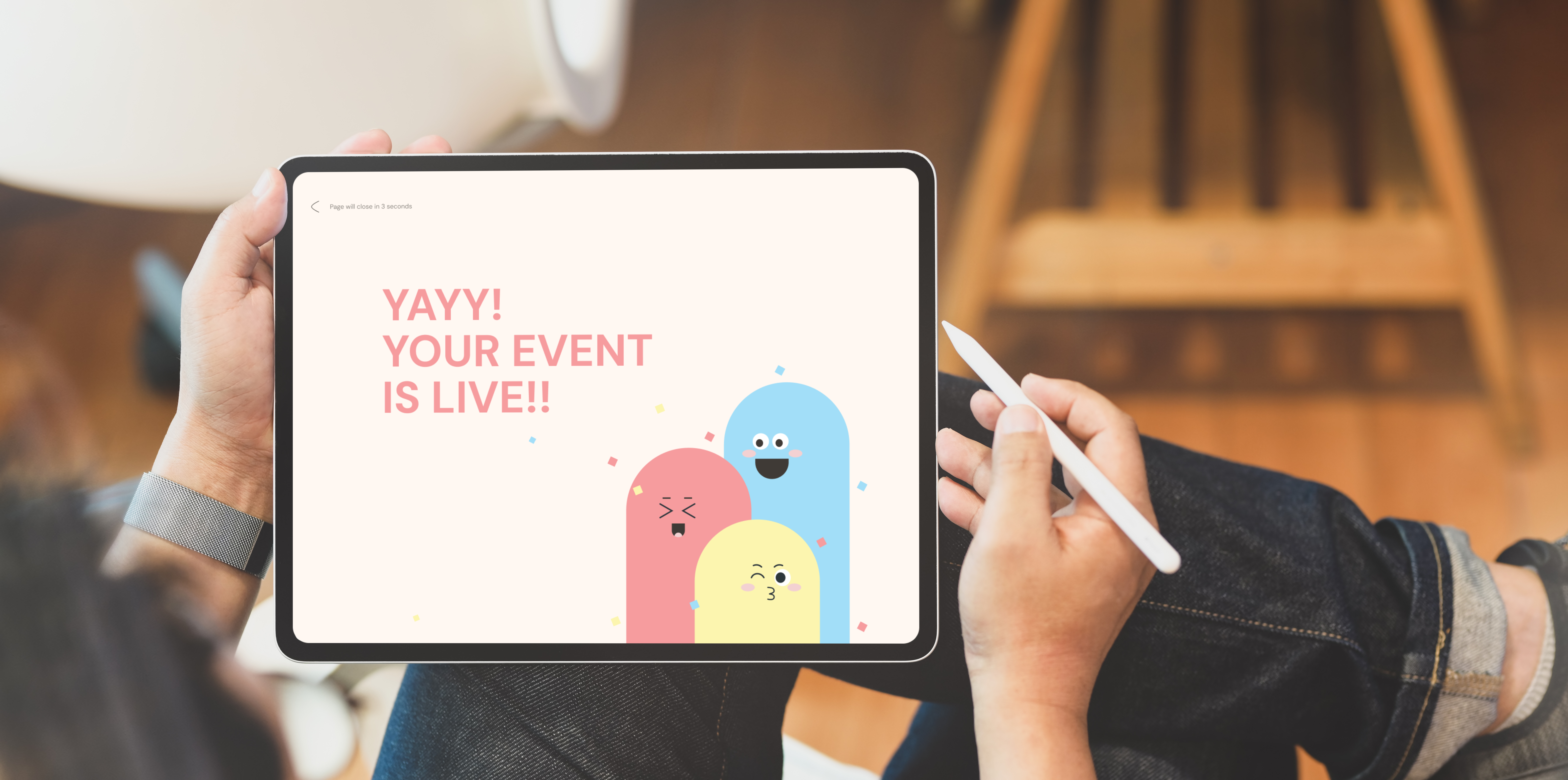
Contributed by Alison S. (Graphics), Allen W. (dev)
Context
The Creative Ecosystem Today
Artists and creatives rely on many different channels to find opportunities, share work, and connect with others. Open calls, residencies, exhibitions, jobs, and events are often distributed across gallery websites, institutional newsletters, social media posts, mailing lists, and word of mouth.
For students and emerging artists in particular, navigating this landscape can be overwhelming. Important information is scattered across platforms that are not designed to work together, making it difficult to stay informed about opportunities or discover new communities.
Through my own experience as both an artist and developer within the Boston creative community, I frequently encountered this fragmentation. Opportunities were often discovered by chance rather than through a clear system, and collaboration between artists, curators, and organizations was difficult to initiate.
This observation led me to ask: what would it look like if the creative ecosystem were more connected, accessible, and community-driven?
The Problem
Fragmentation in the Creative Ecosystem
Artists and creatives face several interconnected challenges that make it harder to find opportunities, build visibility, and connect with one another.
Fragmented Workflow
Opportunities are siloed, artists are left to navigate many different platforms and sources to find residencies, grants, and collaborations—making it difficult to see the full picture.
Limited Visibility for Emerging Artists
Many emerging artists struggle to gain visibility and access the same opportunities as established names, with few centralized ways to be discovered.
Lack of Cross-Disciplinary Connection
Artists, designers, performers, and other creatives often work in silos, with limited spaces to connect across disciplines and form meaningful collaborations.
Lack of Community-Driven Resources
Newbies often struggle to find mentors, learn professional development, and tap into community knowledge that could accelerate their growth.
These challenges motivated the vision for Artrium: a platform that could bring the creative ecosystem together and make it more connected, accessible, and community-driven.
Solution
Content coming soon.
Visual Design
From Vision to Interface
Creating a visual identity for Artrium was an exciting part of the process. As a team, we aimed to develop original design elements that reflect the platform's character, from custom icons and graphics to the forms and structure of the interface.
At the same time, we were intentional about the type of experience we wanted to build. Artrium is not a typical social media app, but a community platform designed for artists. Because of this, we chose to avoid common interface trends such as round chat bubbles or floating UI effects often seen in AI-driven platform builders, focusing instead on a design language that feels more grounded, structured, and supportive of creative work.
Icons — Intentional and Conversational
Contributor(s): Allen W.
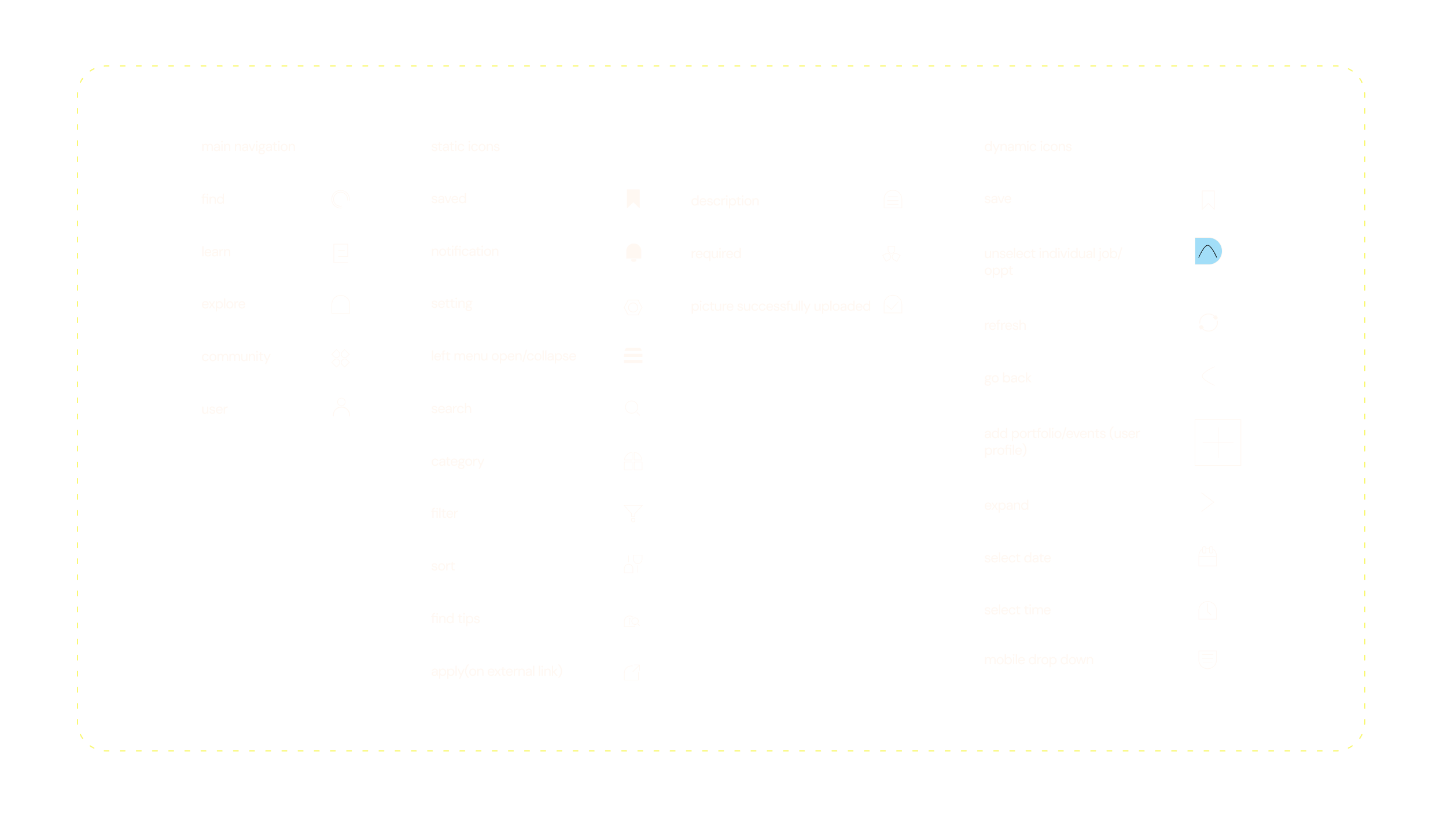
Each icon was carefully designed with both user familiarity and Artrium's visual identity in mind. I considered common interaction patterns across digital products so that the icons would feel intuitive, while also referencing Artrium's arch motif, a recurring visual element in the platform's design language.
I also explored the balance between stroke and fill, using the two styles to communicate different interaction states and levels of emphasis within the interface.
After reviewing visual references from design publications, creative magazines, newspapers, and museum websites, I chose to work with a simple 1px stroke style. This approach keeps the icons clean, lightweight, and adaptable across different parts of the platform while maintaining a consistent visual rhythm throughout the interface.
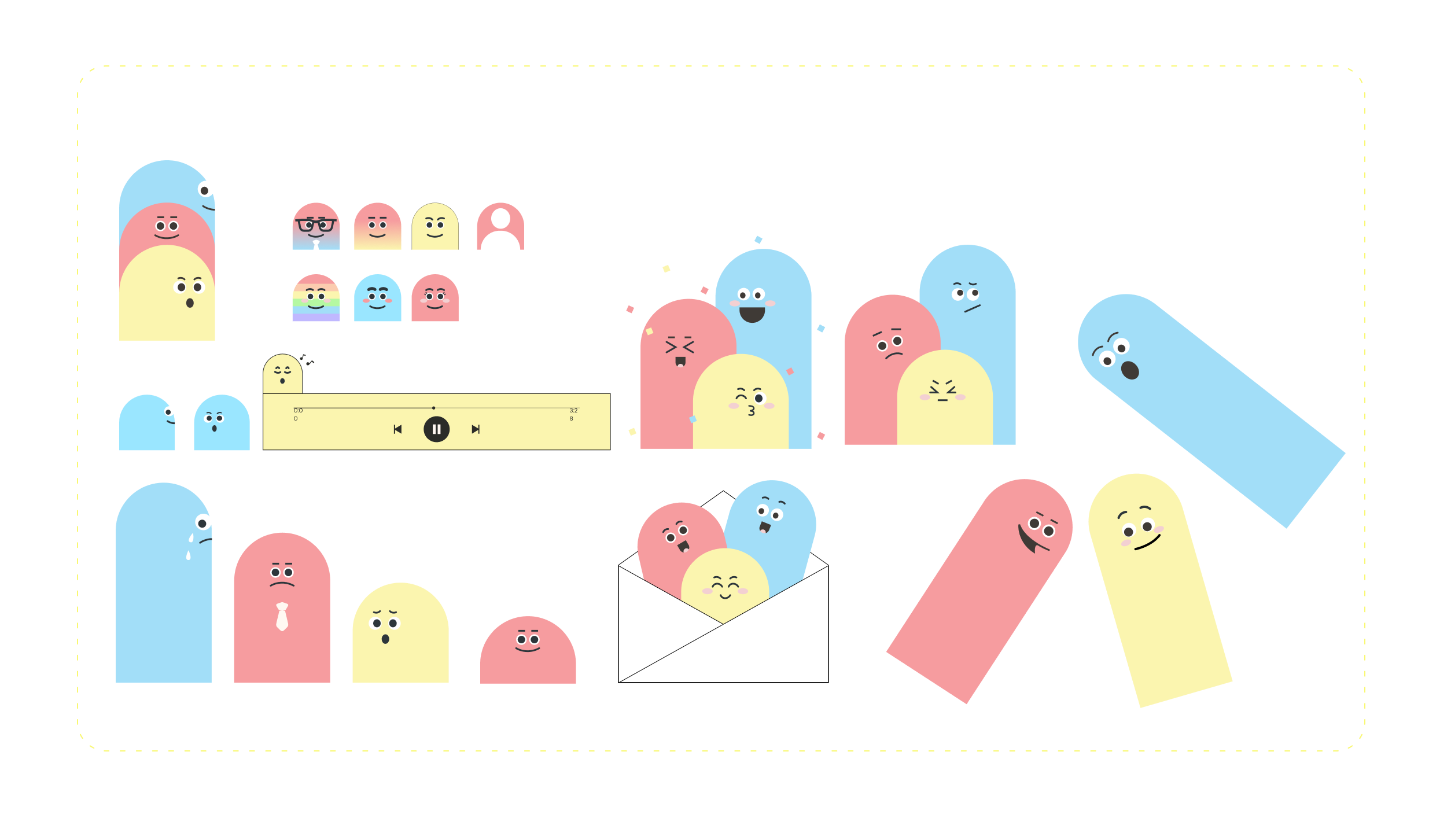
Graphics — Playful and Approachable
Contributor: Alison S.
The graphic elements were designed to introduce a sense of playfulness and warmth into the platform. Rather than adopting a corporate visual style, we wanted Artrium to feel human, creative, and approachable, reflecting the spirit of the artistic community it serves.
Many of the graphics draw from Artrium's arch motif and color palette, translating these elements into visual forms that appear throughout the interface. Together, they help establish a consistent visual identity while reinforcing the platform's sense of openness and community.
Development
Content coming soon.
Current Stage
Artrium aims to centralize opportunities, visibility, and connection in one platform—so artists can discover residencies and grants, showcase work, and find collaborators across disciplines without jumping between dozens of tools.
By combining a clear information architecture with a community-driven approach, we can create a space that grows with the needs of artists and creatives.
View Design Brief